Letters to Your Future Self vs. Journaling: Why Sealing Outperforms a Daily Diary in 2026
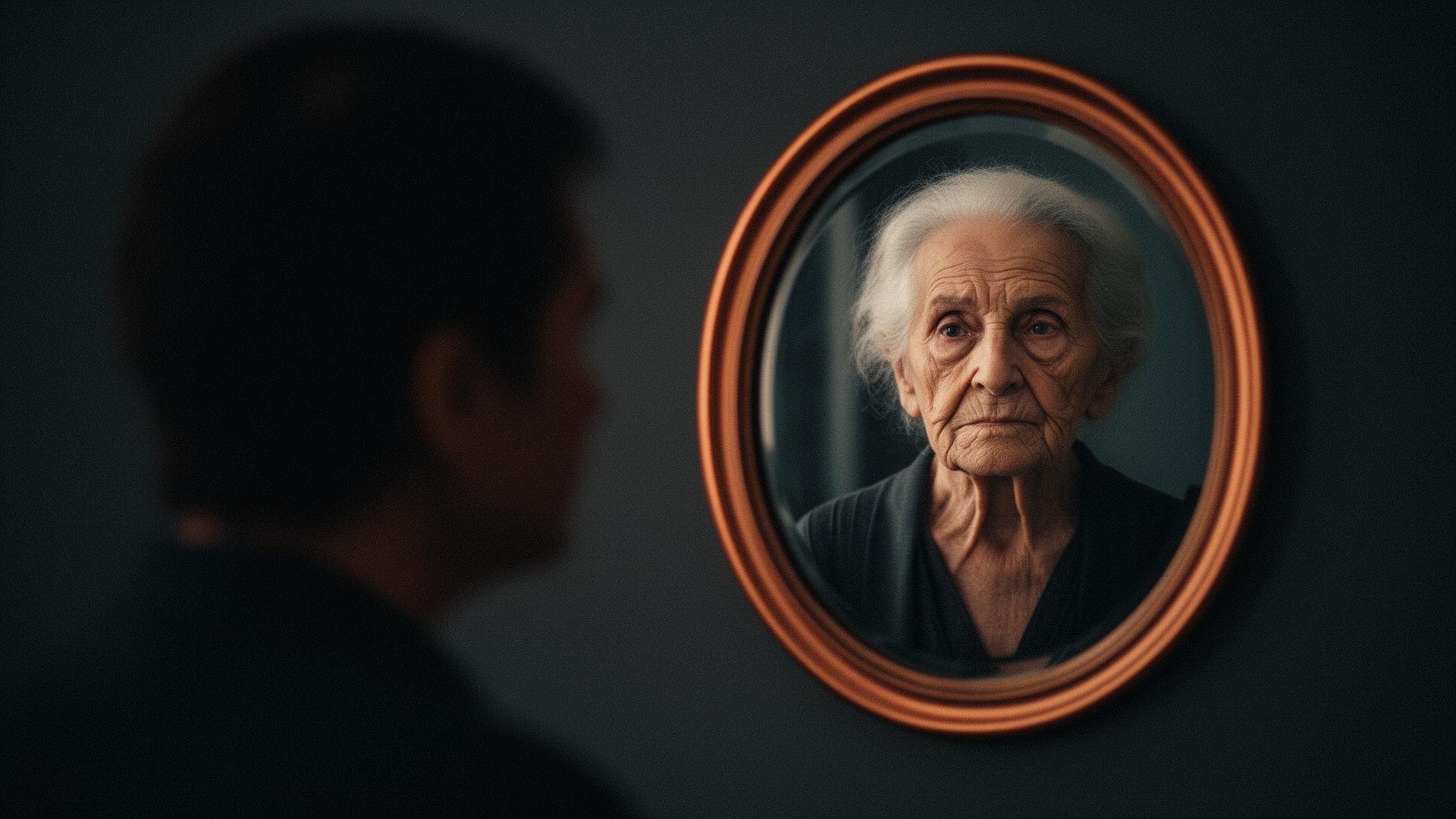
"Journaling asks: how do I feel right now? A sealed letter asks: who do I want to be when this is read? One records the storm. The other addresses the survivor."
Both practices involve writing. Both are good for you. But they activate different parts of the mind — and in 2026, the research is starting to explain why one of them moves the needle faster.
If you've tried journaling and quietly stopped — restarted in January, abandoned by March, restarted again — you are not lazy and you are not broken. You may simply have been using the wrong tool for the job your nervous system was actually asking you to do.
This essay compares the two practices honestly, names the mechanisms behind each, and explains a proprietary concept we call the Sealing Premium — the measurable psychological lift that comes from immutability and delay.
What is the difference between journaling and writing to your future self?
Journaling is open, repeatable, and editable. You write today, you can rewrite tomorrow, you can rip out the page next week. The audience is you-now.
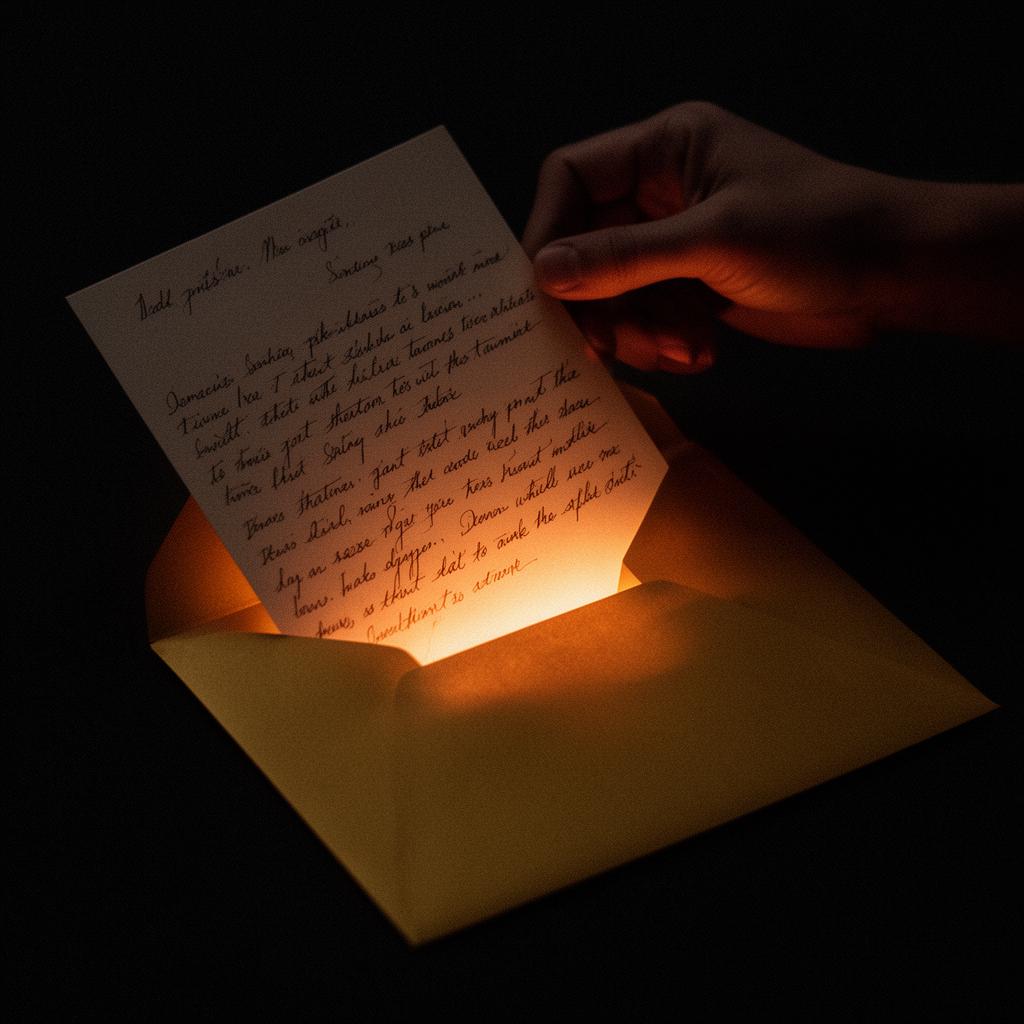
A letter to your future self is closed, singular, and immutable. You write once, you seal it, and time delivers it. The audience is you-later.
That sounds like a small distinction. It is not. It changes the brain's relationship to the words on the page.
FutureNote Perspective: Journaling records the weather. Sealing builds the climate record. One tells you what today felt like. The other lets you watch a year of yourself unfold.
Side-by-side: the mechanisms
| Dimension | Journaling | Sealed Letter to Future Self |
|---|---|---|
| Audience | You-now | You-later |
| Editability | Editable forever | Immutable once sealed |
| Frequency | Open-ended (often daily) | Bounded (one per day max) |
| Primary mechanism | Expressive disclosure | Temporal distancing + commitment |
| Best for | Ventilation, processing, idea capture | Rumination, anxiety, identity shifts |
| Risk | Rumination loop, perfectionism | Initial discomfort with finality |
| Payoff window | Same-session relief | Delayed payoff (2 weeks–1 year) |
Both practices belong in a mature inner-life toolkit. They are not enemies. They are different instruments.
Why does sealing change the psychology?
Three mechanisms separate a sealed letter from a journal entry.
1. Immutability ends the rumination loop. Open journals invite re-reading, re-editing, and re-litigating. Closed letters cannot be re-opened. Your brain registers the entry as handled and stops circling it. This is the same principle behind closure rituals in narrative therapy.
2. Delay activates temporal distancing. Ethan Kross and Özlem Ayduk's self-distancing research shows that addressing a future or distanced self reduces emotional reactivity and increases meaning-making. A sealed letter forces this distance structurally — you literally cannot read it back today.
3. Singular daily commitment elevates the act. Journaling has no ceiling, which often means no floor either. A one-sealed-note-per-day constraint turns the act into a ritual rather than a chore. Constraint is the secret ingredient most productivity advice misses.
Which one is better for anxiety?
For acute, looping anxiety — the kind that has you re-reading the same paragraph in your own journal at midnight — sealing wins. The immutability is the medicine. You write the worry, you seal it, you cannot return to it. Your brain is forced to put it down.
For diffuse, low-grade anxiety where you're not sure what you're feeling, journaling wins as a discovery tool. You need the iteration to figure out what's going on before you can address a future self about it.
A useful 2026 rule of thumb: journal to find the question, seal a letter to answer it.
Which one is better for personal growth?
Journaling produces content. Sealing produces evidence.
If your goal is to look back five years from now and know — undeniably, in your own handwriting — who you were and how you changed, journals struggle. They blur. They get edited. They get embarrassing and rewritten. You lose the original signal.
Sealed letters produce a chaptered, immutable record of your former selves. They are the only writing practice that creates un-revisable proof of your evolution. That is the long-term moat of the practice.
Can you do both?
Yes — and the most resilient inner-life toolkits combine them. A common 2026 stack looks like:
- Daily: Light journaling for capture and ventilation (5 minutes, no stakes)
- 2–3x per week: One sealed letter to your future self when something feels worth preserving
- Quarterly: Re-read recently unlocked letters to register the shift
The journal is the workshop. The sealed letter is the time capsule.
Why has journaling plateaued for so many people in 2026?
Three reasons surface in the recent literature and in user reports.
It has no ending. Journaling rewards consistency without rewarding completion. The brain craves closure, and an open journal denies it indefinitely.
It invites perfectionism. A page you can re-read becomes a page you can re-write — which becomes a page you avoid writing. The editability is the bug, not the feature.
It does not collaborate with time. Journaling is a monologue with your present self. Time has no role. The 14-day emotional threshold — the window after which the brain reframes intensity — is wasted.
A sealed letter recruits time as a co-therapist. That is the upgrade.
How does FutureNote apply this?
FutureNote was designed around the three mechanisms above. One sealed note per day enforces the singular-commitment constraint. Lock durations from 2 weeks to 1 year operationalize temporal distancing. Immutability after sealing is non-negotiable — the Sealed Growth principle is the entire product.
We are not anti-journaling. We are pro-sealing. The two practices serve different parts of you, and the people who get the most out of an inner-life practice in 2026 tend to use both — deliberately, for different jobs.
If you have been journaling for years and feel stuck, try this: keep the journal, and once a week, take the most important sentence you wrote and turn it into a sealed letter to the version of yourself who will read it in three months. Notice what changes.
Frequently Asked Questions
Should I stop journaling and start writing letters to my future self instead?
No — they do different jobs. Use journaling to discover what you're feeling, and use a sealed letter to address the future self who will need to hear it.
Is a sealed letter the same as a gratitude journal?
No. Gratitude journaling is open, repeatable, and present-focused. A sealed letter is closed, singular, and future-addressed. They activate different mechanisms: gratitude reframes today, sealing recruits tomorrow.
Why can't I edit a sealed letter once it's written?
Because the immutability is the active ingredient. Editability invites rumination. Sealing closes the loop and tells your nervous system the worry has been handled.
How often should I write a letter to my future self?
The FutureNote model is one per day, maximum. Most users settle into 2–3 per week — enough to mark what matters, infrequent enough to keep each one weighty.
What is the Sealing Premium?
A FutureNote concept: the additional psychological lift, beyond same-session relief, that comes from immutability plus delay. It's the second wave of insight you receive on unlock — the part journaling cannot deliver.
FutureNote is a mental wellness app that uses sealed letters to your future self — temporal distancing made tactile — to reduce rumination, support cognitive restructuring, and build long-term proof of your evolution.
Ready to write to
your future self?
Download FutureNote and write your first sealed letter in under 3 minutes. Lock it. Forget it. Rediscover it.
Download on the App Store