How to Remember Who You Were: A Field Guide to Personal Archaeology in 2026
"Memory is not a backup. It's a practice. And in ten years, only the practiced ones survive."
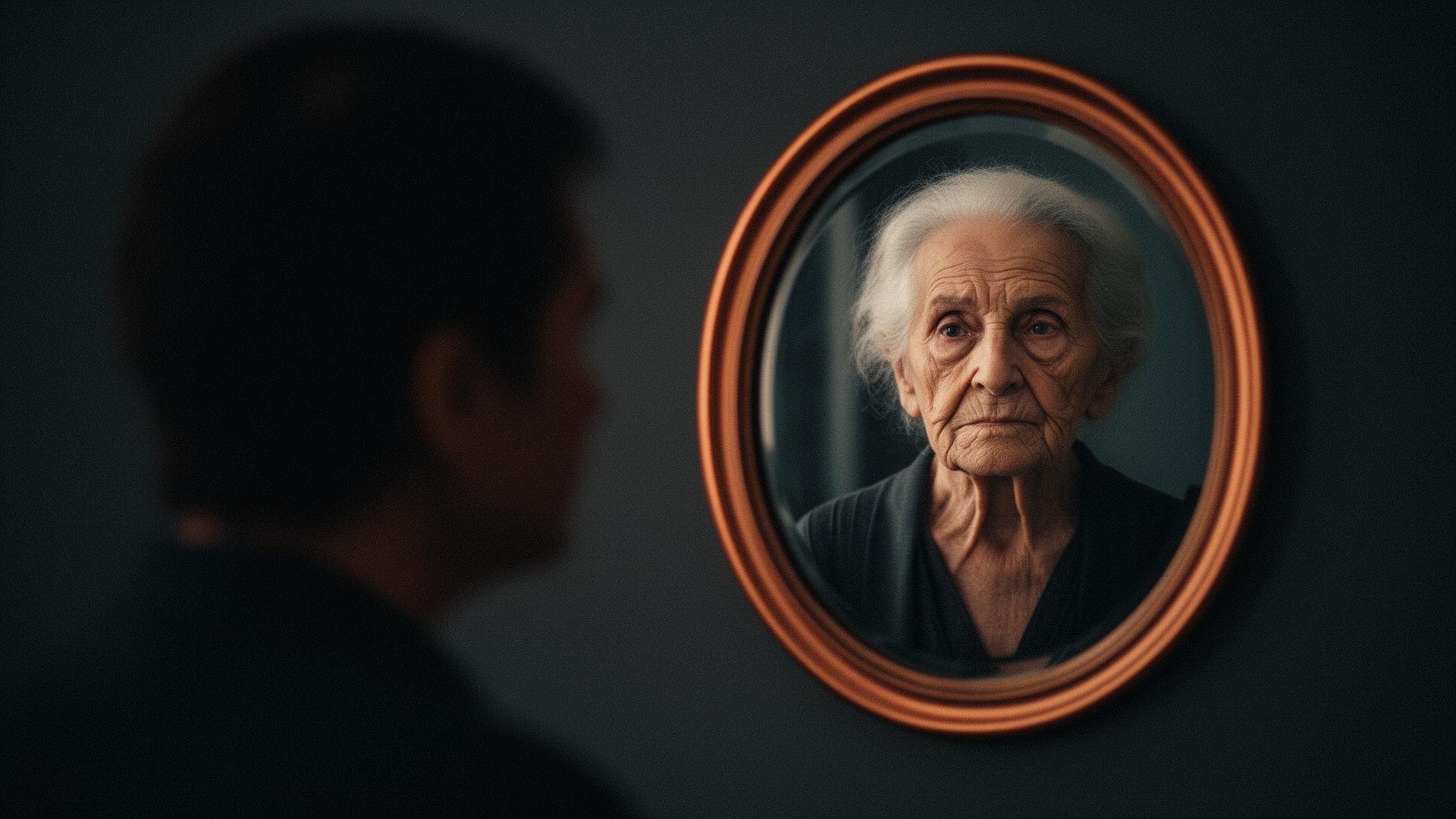
In ten years, you will be a stranger to yourself.
That sentence is not poetic. It is biological. The neurons that hold your current beliefs, your current fears, your current taste in music — most of them will be gone or rewired. The "you" reading this paragraph is, statistically, a temporary configuration.
The only question is whether you'll have left notes.
This is a field guide to personal archaeology — the discipline of excavating your former selves before they vanish entirely. It is not journaling. It is not productivity. It is something older, and in 2026, something quietly radical.
Why can't you remember who you were five years ago?
Because the brain is a survival machine, not a librarian. It compresses the past into headlines and discards the body of the article. You remember that something happened. You forget who you were when it did.
FutureNote Perspective: Memory is not a backup. It's a practice. The people who can describe their 25-year-old self in vivid detail at 35 didn't have better brains — they had a method. Personal archaeology is that method, made accessible.
Researchers call this the reminiscence bump: a strange clustering where most autobiographical memory comes from ages 15-25, and almost everything afterward blurs into a single decade-long Tuesday. Without intentional preservation, your thirties and forties become one long present tense.
What is personal archaeology?
Personal archaeology is the deliberate practice of preserving artifacts of your inner life — beliefs, fears, hopes, raw observations — so that your future self can excavate them as evidence of who you actually were.
Unlike journaling, it has three rules:
- Sealed, not searchable. The artifact is locked from the moment of writing. No editing. No re-reading until a chosen future date. This protects integrity from the inevitable revision of memory.
- Chaptered, not chronological. Entries are organized by life domain (Inner Compass, Hearts & Echoes, The Daily Grit, Raw Reality, Becoming) — not by date. Identity isn't linear. Your archive shouldn't be either.
- Time-released. Each artifact has a "Do Not Open Until" date. The wait is what creates the evidence. A note read the next day is a memo. A note read in three years is a confrontation.
The 5-Year Stranger Test
Here is the diagnostic that makes the problem real:
If your 5-year-ago self walked into the room right now, would they recognize their dreams in your life — or would you have to lie to make them feel okay about you?
Most people freeze. Not because the answer is bad, but because they don't know it. They cannot summon their 5-year-ago self with enough resolution to ask. The data is gone.
The 5-Year Stranger Test is the entry point to personal archaeology. It reveals the gap. The rest of the practice is about closing it — going forward, never again.
How do you actually document your evolution?
A four-step ritual. It takes seven minutes the first time. Less every time after.
1. Pick a chapter. Not a topic — a domain. Are you about to write about your inner life (Inner Compass)? A relationship (Hearts & Echoes)? A career or body struggle (The Daily Grit)? An unfiltered confession (Raw Reality)? A vision of who you're becoming (Becoming)? Choosing the chapter forces clarity.
2. Write the raw truth — not the polished version. Personal archaeology fails the moment you start performing for your future self. Future-you doesn't need your highlight reel. Future-you needs evidence of the actual interior weather. Misspell things. Contradict yourself. Be embarrassing.
3. Set the unlock date. This is the irreversible step. Two weeks for a tactical check-in. One year for a meaningful confrontation. Five years for an artifact. The longer the wait, the heavier the evidence.
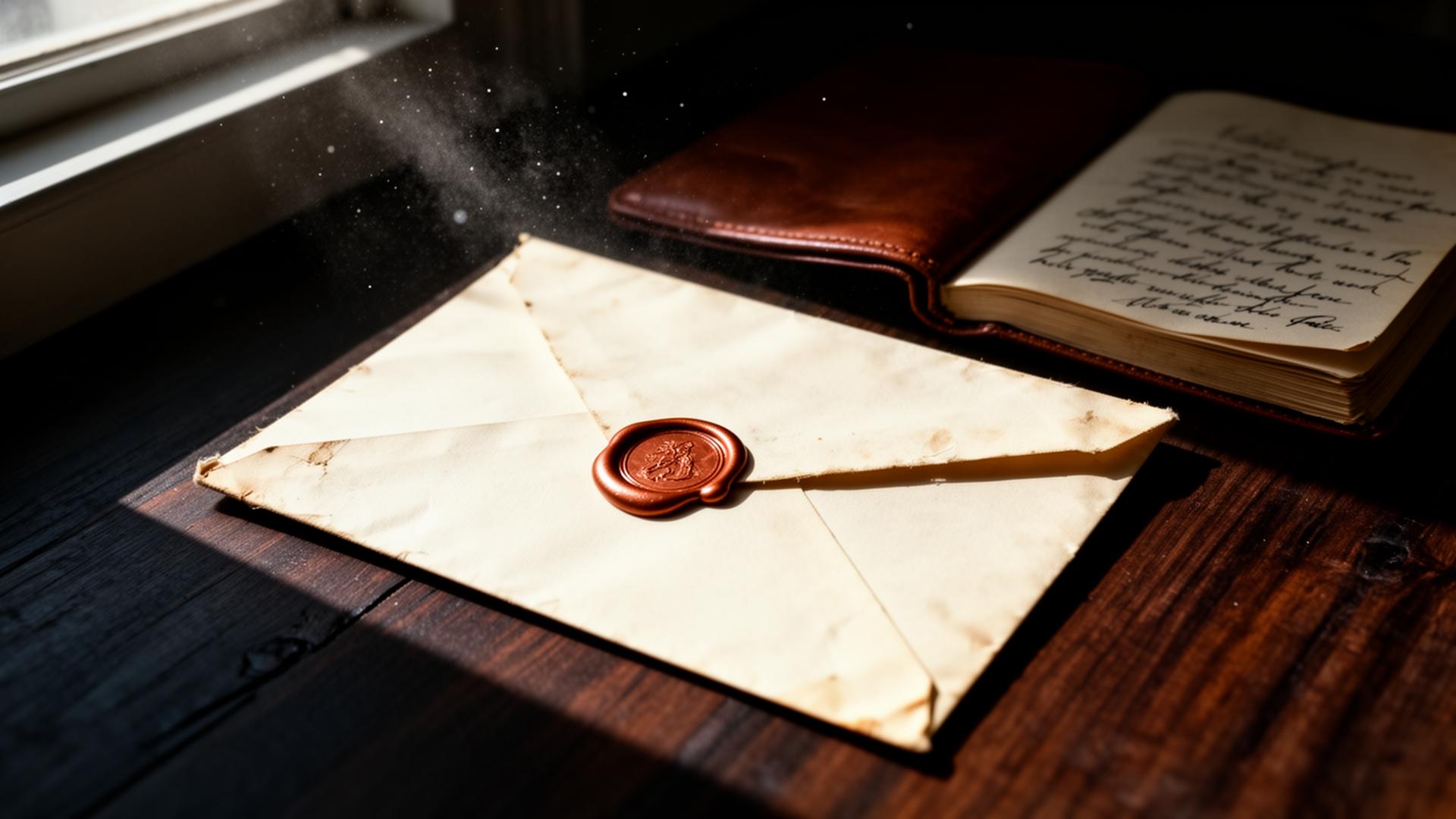
4. Seal it. Sealing means: no edits, no peeks, no early opens. This is not a UI choice — it's the entire mechanism. The integrity of the artifact comes from its inaccessibility. A diary you can edit is a story you're still writing. A sealed note is testimony.
Why Chaptered Memory beats chronological journaling
Most journals fail because they're chronological. You open one in five years and find a Tuesday from 2027 that means nothing to you, because you've forgotten the context. Chronology is a database structure, not a memory structure.
Chaptered Memory organizes your inner life into permanent thematic eras. When future-you wants to understand "who I was as a partner in 2026," they don't scroll through 600 unrelated daily entries. They open Hearts & Echoes and find a coherent narrative.
This is how human identity actually stores itself: not as dates, but as seasons of self. Career era. Heartbreak era. Becoming era. Personal archaeology mirrors that natural structure.
Can you start personal archaeology if you've never journaled?
Yes. In fact, the people who never journaled often do this best, because they have no muscle memory for performance.
Here is the one-note start:
> Write three sentences about something you currently believe that you suspect you might not believe in five years. Pick a chapter. Set the unlock for one year. Seal it.
That's the entire onboarding. You are now a personal archaeologist. The artifact you just made will, on its unlock date, be the only honest evidence in existence of what you actually thought today. Your phone won't have it. Your camera roll won't have it. ChatGPT won't have it.
You will. And only then.
The Evolution Receipt
Every sealed note is what we call an Evolution Receipt — undeniable, timestamped, self-authored proof of who you were on a specific day. Receipts cannot be retroactively edited by your current narrative. They cannot be smoothed over by nostalgia. They cannot be dismissed by an algorithm.
In a decade where AI can fabricate any image and rewrite any history, the most valuable document you can own is one you sealed against revision — including your own.
That is the long-term mission of personal archaeology: to give you, in 2036, a stack of receipts so honest that no one — not your future self, not a model, not a memory — can rewrite who you were.
FAQ
How do I remember who I was years ago if I never wrote anything down?
You can't recover what wasn't preserved — but you can start now. Personal archaeology begins with a single sealed note about a current belief, fear, or hope, time-locked to a future unlock date. From that point forward, you will have evidence.
What is personal archaeology?
Personal archaeology is the deliberate practice of preserving artifacts of your inner life — beliefs, raw observations, private truths — in sealed, chaptered, time-released form, so your future self can excavate them as evidence of who you were.
Is personal archaeology the same as journaling?
No. Journaling is open-ended writing. Personal archaeology requires three things journaling lacks: sealing (no edits), chaptering (organized by life domain), and time-release (a future unlock date). These three constraints are what convert writing into evidence.
How long should I lock a sealed note for?
Two weeks is the minimum emotional-shift threshold. One month captures short-term cycles. One year produces meaningful confrontation. Five years produces a true artifact. Match the lock duration to the kind of evolution you want to witness.
Why does sealing matter — can't I just keep a private journal?
Because unsealed writing is editable, and editable writing gets retroactively smoothed by your current self. Sealing protects the artifact from your future revision. The integrity of personal archaeology comes from inaccessibility, not from privacy alone.
In ten years, you will be a stranger to yourself. The only question is whether you'll have left notes.
Seal one today. It is the single most identity-preserving thing you can do this year.
Ready to write to
your future self?
Download FutureNote and write your first sealed letter in under 3 minutes. Lock it. Forget it. Rediscover it.
Download on the App Store